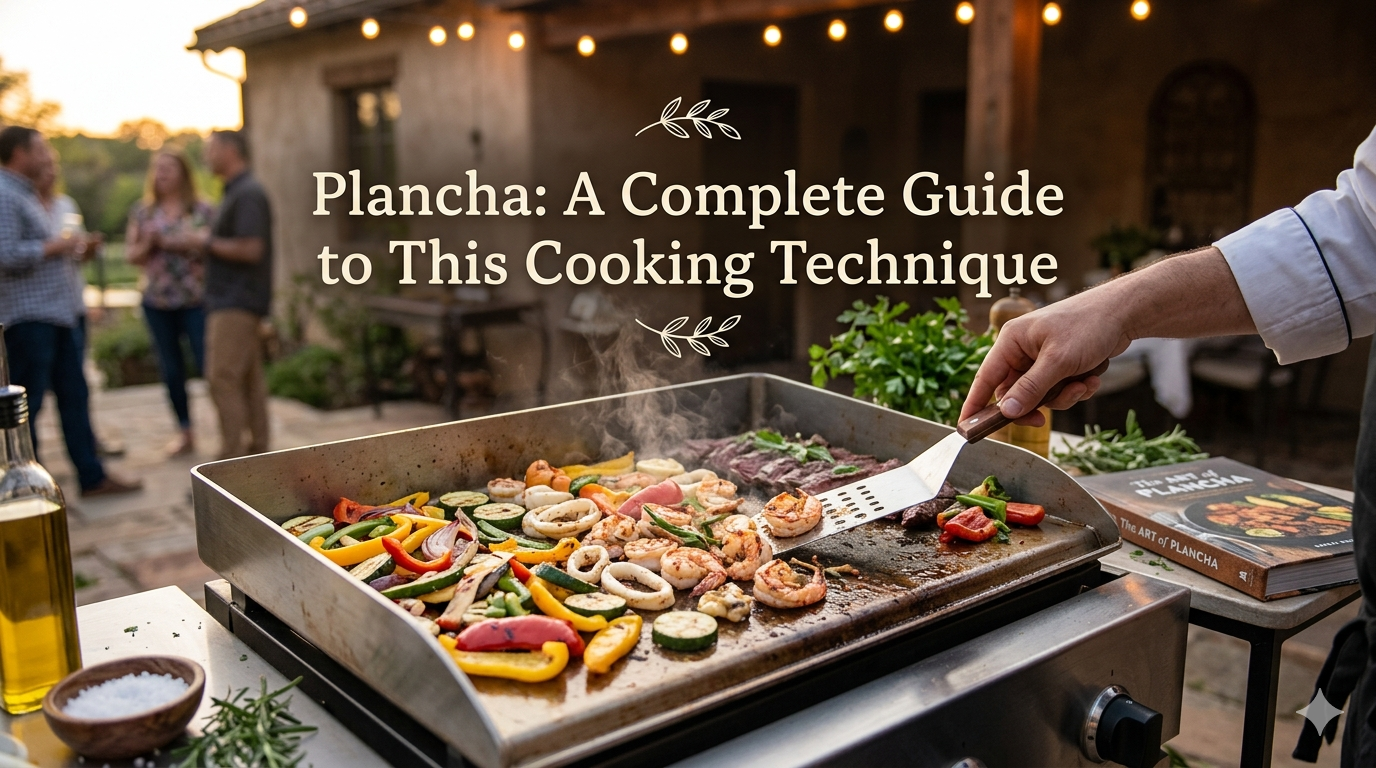
Plancha: A Complete Guide to This Cooking Technique
Cooking methods around the world offer unique flavors and experiences, and one technique that has gained global popularity is the plancha. Originating from Spain, plancha cooking is known for its simplicity, efficiency, and ability to bring out the natural flavors of food. Whether you are a home cook or a professional chef, understanding how plancha works can elevate your culinary skills.
In this detailed guide, we will explore what plancha is, its history, benefits, cooking techniques, and why it has become a favorite in modern kitchens.
What Is Plancha?
The term plancha comes from the Spanish word meaning “metal plate.” It refers to a flat, solid cooking surface, usually made of cast iron or stainless steel, that is heated to a high temperature. Food is placed directly on this surface and cooked quickly, creating a delicious sear while locking in moisture.
Unlike traditional grilling, plancha cooking uses a flat surface rather than grates. This allows for even heat distribution and prevents smaller foods from falling through, making it ideal for vegetables, seafood, and delicate items.
History of Plancha Cooking
Plancha cooking dates back to Spain, where it was originally used in rural areas. Farmers would heat metal plates over open flames to cook meals quickly. Over time, this technique became popular in Spanish cuisine, especially for seafood dishes.
Today, plancha has spread worldwide and is commonly used in restaurants and home kitchens. Its popularity continues to grow due to its versatility and health benefits.
Benefits of Using Plancha
1. Healthy Cooking Method
One of the biggest advantages of using plancha is that it requires very little oil. The high heat seals the surface of the food, locking in natural juices and flavors. This makes plancha cooking a healthier option compared to frying.
2. Even Heat Distribution
The flat surface ensures consistent heat across the entire cooking area. This allows food to cook evenly without hot spots, which is a common issue with traditional grills.
3. Quick Cooking Time
Plancha surfaces heat up quickly and maintain high temperatures. This means food cooks faster, making it perfect for busy kitchens or quick meals.
4. Enhanced Flavor
The high heat creates a caramelized crust on the food, enhancing its flavor. This process, known as the Maillard reaction, gives food a rich, savory taste.
5. Versatility
Plancha can be used to cook a wide variety of foods, including:
- Meat (steaks, chicken)
- Seafood (shrimp, fish)
- Vegetables
- Eggs and pancakes
How to Cook on a Plancha
Preheating the Surface
Before cooking, it is important to preheat the plancha to a high temperature. This ensures proper searing and prevents food from sticking.
Minimal Oil Usage
Apply a small amount of oil directly to the food rather than the surface. This helps maintain the natural flavor and keeps the cooking process healthier.
Cooking Technique
Place the food on the hot surface and allow it to sear without moving it too much. This helps create a crispy outer layer while keeping the inside tender.
Temperature Control
While plancha cooking uses high heat, controlling the temperature is important. Lower the heat slightly for delicate foods like fish or vegetables.
Foods Best Suited for Plancha
Meat
Steaks, burgers, and chicken cook exceptionally well on a plancha. The high heat locks in juices and creates a flavorful crust.
Seafood
Seafood is one of the most popular choices for plancha cooking. Shrimp, scallops, and fish cook quickly and retain their natural sweetness.
Vegetables
Vegetables like zucchini, peppers, and mushrooms develop a smoky, caramelized flavor when cooked on a plancha.
Breakfast Items
You can also use plancha for breakfast foods such as eggs, pancakes, and even toast.
Plancha vs Grill: What’s the Difference?
Although plancha and grilling may seem similar, they have key differences:
- Surface: Plancha uses a flat metal plate, while grills use grates.
- Heat Distribution: Plancha provides even heat, while grills can have uneven hot spots.
- Flavor: Grilling gives a smoky flavor, while plancha enhances natural taste with caramelization.
- Food Type: Plancha is better for delicate foods that might fall through grill grates.
Both methods have their advantages, but plancha stands out for its versatility and ease of use.
Tips for Perfect Plancha Cooking
- Always preheat the surface properly
- Avoid overcrowding the cooking area
- Use high-quality ingredients for better flavor
- Clean the surface immediately after use
- Experiment with different foods and techniques
Cleaning and Maintenance
Maintaining your plancha is simple but important. After cooking, scrape off any food residue while the surface is still warm. Wipe it with a damp cloth and apply a light layer of oil to prevent rust.
Regular cleaning ensures your plancha remains in good condition and delivers consistent cooking results.
Why Plancha Is Gaining Popularity
In recent years, plancha cooking has become increasingly popular due to its health benefits and convenience. Many chefs prefer it because it allows precise control over cooking and enhances the natural taste of ingredients.
Home cooks also appreciate its simplicity. With minimal setup and easy cleanup, plancha offers a practical solution for everyday cooking.
Conclusion
The plancha is more than just a cooking tool—it is a versatile and efficient method that enhances the flavor of food while promoting healthier cooking. From its origins in Spain to its global popularity today, plancha continues to revolutionize how people prepare meals.
Whether you are cooking meat, seafood, or vegetables, using a plancha can help you achieve professional-quality results at home. By mastering this technique, you can enjoy delicious, perfectly cooked meals with ease.
If you are looking to upgrade your cooking experience, incorporating plancha into your kitchen is definitely worth considering.