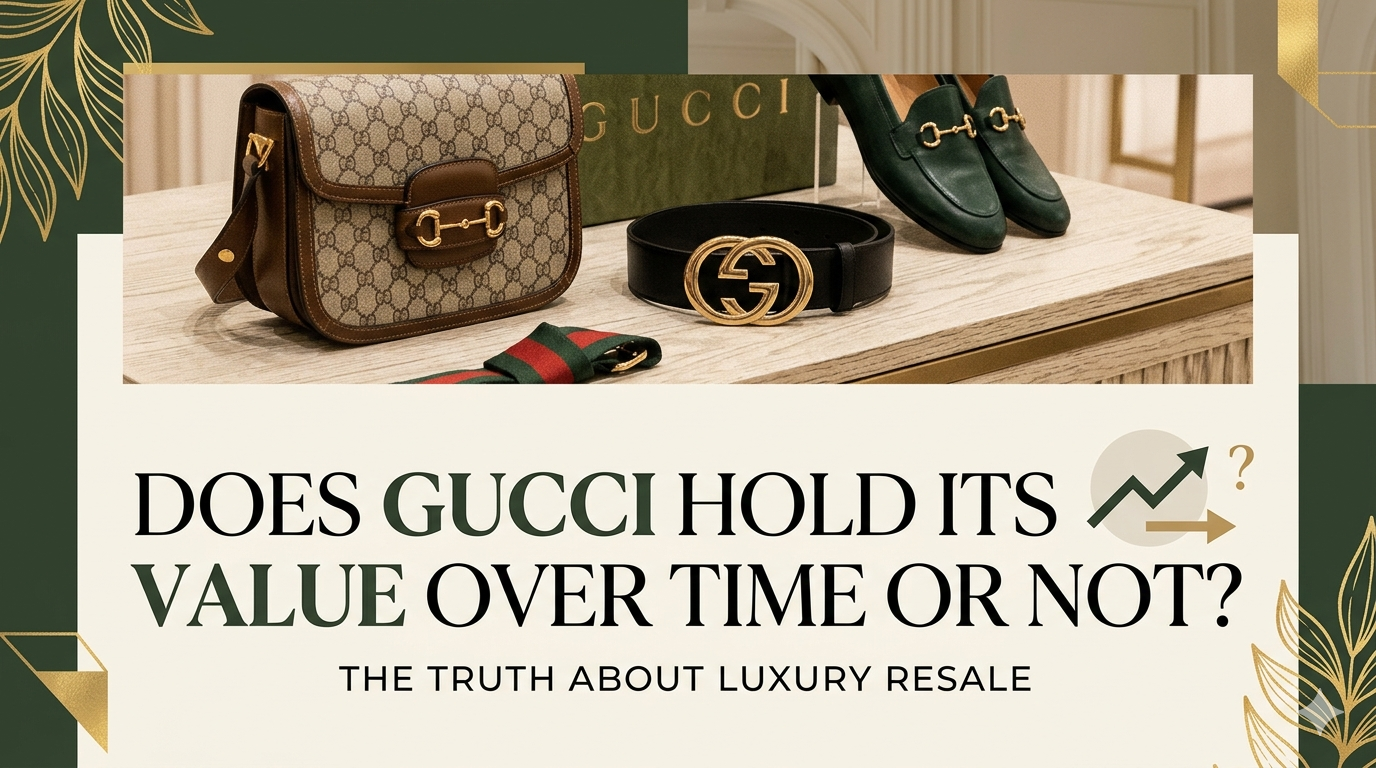
Does Gucci Hold Its Value Over Time or Not?
Luxury fashion has always been associated with prestige, craftsmanship, and exclusivity. Among the most recognizable names in this space is Gucci, a brand known for its bold designs and rich heritage. But when it comes to long-term value, many buyers ask an important question: does Gucci actually hold its value over time, or is it just a stylish expense?
Understanding Value in Luxury Fashion
Before diving into Gucci specifically, it’s important to understand what “holding value” really means in fashion. Unlike investments such as gold or real estate, luxury items often depreciate after purchase. However, some brands and products maintain a strong resale price due to demand, rarity, and brand prestige.
Value retention depends on several factors:
- Brand reputation
- Product condition
- Market demand
- Limited availability
- Timeless design
Gucci performs well in some of these areas—but not all.
Are Louis Vuitton bags handmade?
Which Louis Vuitton bag is the most popular?
Does Louis Vuitton ever go on sale?
Gucci’s Brand Strength
Gucci is one of the most influential luxury brands globally. Its popularity surged even more under creative directors like Alessandro Michele, who brought a fresh, eclectic style to the brand. This strong identity helps Gucci maintain relevance, which is a key factor in resale value.
However, Gucci is also known for producing large quantities of products compared to ultra-exclusive brands. This accessibility can slightly reduce its long-term resale strength.
Do Gucci Products Retain Value?
1. Handbags
Gucci handbags tend to retain value better than most of the brand’s other items. Classic designs like the GG Marmont or Dionysus bags can hold a decent percentage of their original price—especially if kept in excellent condition.
However, they generally do not outperform brands like Hermès or Chanel, which are known for exceptional resale value and even appreciation in some cases.
2. Clothing
Gucci clothing usually depreciates quickly. Fashion trends change fast, and seasonal collections lose value once they are no longer in demand. Unless it’s a rare or iconic piece, clothing is not a strong investment.
3. Shoes and Accessories
Shoes, belts, and sunglasses fall somewhere in the middle. Popular styles may retain moderate value, but wear and tear significantly impact resale prices.
Who is the CEO of Gucci?
What does the Gucci logo mean?
Factors That Affect Gucci’s Resale Value
Condition
Items in near-new condition with original packaging and receipts hold much more value.
Popularity of Design
Classic and timeless designs perform better than bold, trend-driven pieces.
Limited Editions
Rare or limited-edition Gucci items can hold or even increase in value due to scarcity.
Market Trends
Resale platforms and consumer demand play a big role. If Gucci is trending, resale prices rise accordingly.
Is Gucci a Good Investment?
Here’s the honest answer: Gucci is not typically considered a financial investment. While some items hold value reasonably well, most will depreciate over time. If Gucci a Good Investment?
Here’s the honest answer: Gucci is not typically considered a financial investment. While some items hold value reasonably well, most will depreciate over time. If your goal is profit, other luxury brands may offer better returns.
However, Gucci offers something different—style, identity, and cultural relevance. For many buyers, that emotional and aesthetic value outweighs financial considerations.
Final Verdict
So, does Gucci hold its value over time? The answer is partially. Certain items—especially handbags—can retain a fair portion of their value, but most Gucci products will lose value after purchase.
If you’re buying Gucci, do it for the craftsmanship, design, and personal enjoyment—not purely as an investment. Choose classic styles, maintain them well, and you’ll get the best possible value in the long run.
What are the most popular Gucci products?
Why is Gucci so popular?