What Does the Gucci Logo Really Mean Today?
The Gucci logo is one of the most recognizable symbols in the fashion world. From handbags to belts, its iconic double “G” emblem is instantly associated with luxury, prestige, and high-end style. But beyond its visual appeal, the Gucci logo has evolved in meaning over the decades. Today, it represents much more than just a brand—it reflects culture, identity, and modern fashion values.
The Origins of the Gucci Logo
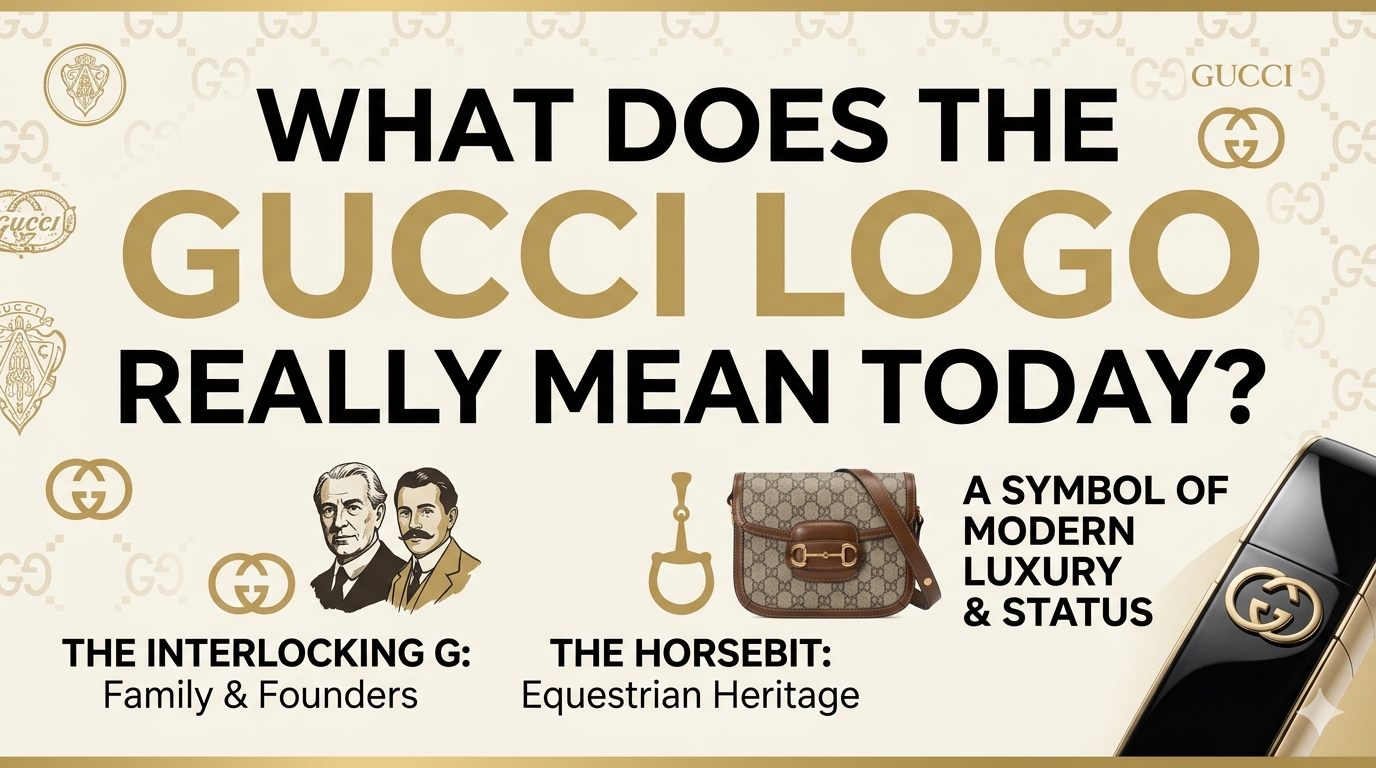
The Gucci logo features two interlocking “G” letters, which stand for the founder Guccio Gucci. Established in 1921 in Florence, Italy, Gucci began as a small leather goods company inspired by the elegance of aristocratic travel.
The double-G logo was introduced later as a tribute to Guccio Gucci’s vision and craftsmanship. Initially, it symbolized quality, heritage, and Italian luxury. It was simple yet powerful, representing the brand’s roots in tradition and excellence.
Symbol of Luxury and Status
Over time, the Gucci logo became synonymous with wealth and exclusivity. Owning a product with the double-G emblem was seen as a status symbol, especially during the late 20th century when luxury fashion brands began expanding globally.
Today, the logo still carries this association. Whether it’s a belt, bag, or pair of shoes, the Gucci emblem signals that the wearer values premium quality and high fashion. However, the meaning has expanded beyond just wealth.
A Reflection of Modern Identity
In today’s fashion landscape, the Gucci logo represents individuality and self-expression. Under the creative direction of designers like Alessandro Michele, Gucci has embraced bold, eclectic, and sometimes unconventional designs.
The logo is no longer just about minimal elegance—it’s often reimagined with vibrant colors, oversized prints, and creative twists. This shift reflects a broader cultural movement where fashion is used to express personality rather than just social status.
Streetwear Influence and Cultural Relevance
Another major shift in the meaning of the Gucci logo comes from its influence in streetwear culture. Gucci has successfully blended luxury fashion with casual, everyday style, making the logo more accessible to younger audiences.
Celebrities, influencers, and musicians have played a big role in this transformation. The logo is now seen in music videos, social media, and street fashion, making it a symbol of both luxury and cultural relevance.
Sustainability and Changing Values
Modern consumers are more conscious about sustainability and ethical fashion. Gucci has taken steps to align with these values by promoting eco-friendly initiatives and responsible production practices.
As a result, the Gucci logo today also represents a brand that is adapting to changing global expectations. It signals not just luxury, but also awareness and responsibility—qualities that matter to today’s buyers.
The Power of Branding in the Digital Age
In the age of social media, logos have become more important than ever. The Gucci logo is highly shareable and instantly recognizable, making it perfect for digital platforms like Instagram and TikTok.
It acts as a visual shortcut—people don’t need to read the brand name to know what it represents. This instant recognition has helped Gucci maintain its relevance in a fast-paced, trend-driven world.
Conclusion
So, what does the Gucci logo really mean today? It’s no longer just a mark of luxury or a tribute to Guccio Gucci. It has evolved into a powerful symbol of status, creativity, individuality, and cultural influence.
In a world where fashion is constantly changing, the Gucci logo remains a timeless yet adaptable icon. It bridges the gap between tradition and modernity, proving that a simple design can carry deep and ever-evolving meaning.