Washington Hotel Shooting Raises Questions About Trump Security
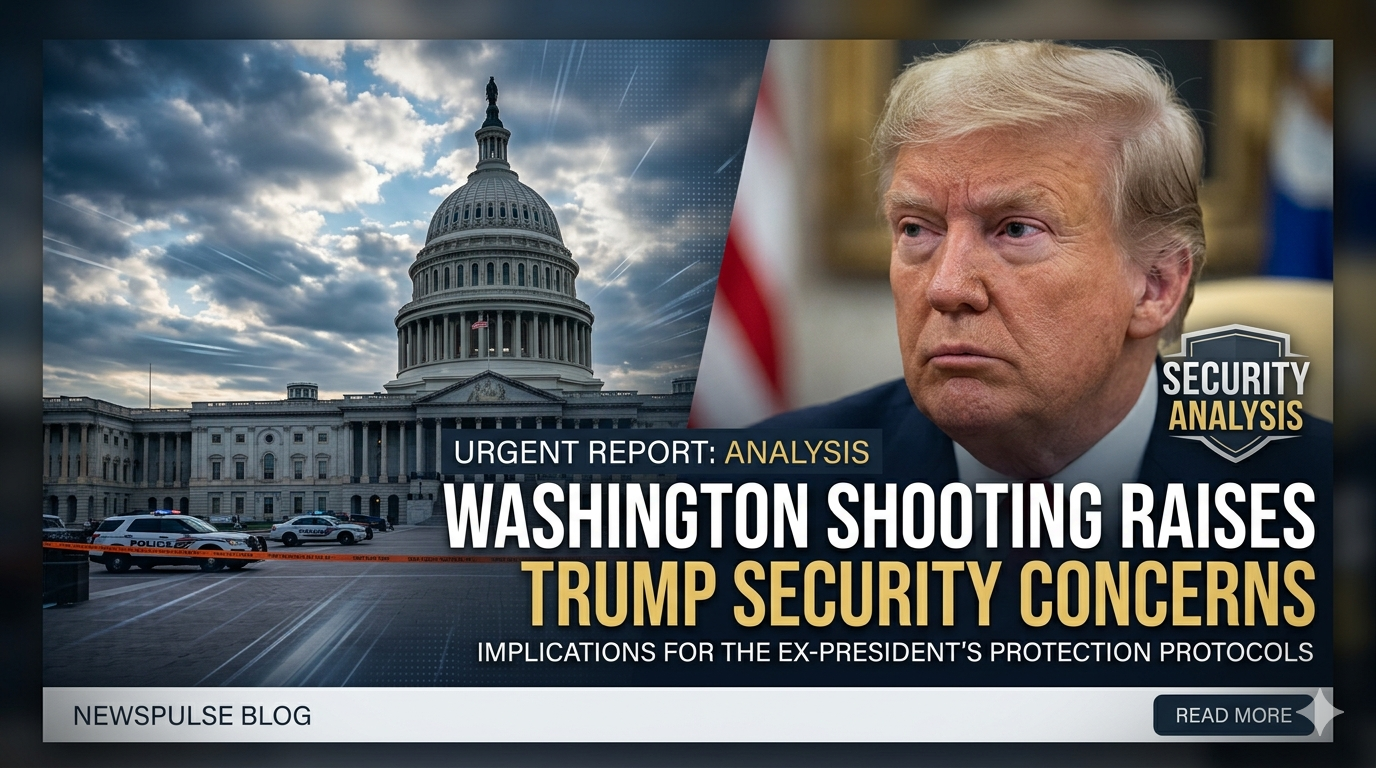
A shocking shooting incident at the White House Correspondents’ Dinner in Washington, D.C., has once again raised serious concerns about the safety of U.S. President Donald Trump. The attack, which unfolded at the Washington Hilton, has intensified debate over whether even the world’s most protected leader is truly secure.
Chaos at a High-Profile Event
On the evening of April 25, 2026, what began as a glamorous gathering of politicians, journalists, and celebrities quickly turned into a scene of panic. Gunshots rang out near a security checkpoint at the hotel, sending hundreds of attendees scrambling for safety.
Secret Service agents acted within seconds, rushing President Trump and other top officials out of the ballroom. Witnesses described people diving under tables as security personnel shouted warnings and secured the area.
Authorities later confirmed that the suspect, armed with multiple weapons, attempted to breach security but was quickly subdued. One Secret Service agent was injured but survived due to protective gear.
For More News Visit our US Insider
A Pattern of Security Threats
This incident is not isolated. President Trump has faced multiple threats in recent years, including a reported assassination attempt in 2024 and another close call just weeks later. These repeated incidents highlight the persistent dangers surrounding the presidency.
Speaking shortly after the shooting, Trump remarked, “I can’t imagine that there’s any profession that is more dangerous.” His statement reflects the growing concern over the increasing frequency of such threats.
How Did the Gunman Get So Close?
One of the most troubling aspects of the incident is how the attacker managed to get near a highly secured event. Early reports suggest the suspect may have been staying at the hotel, allowing him to bypass outer security layers.
While officials insist that the “multi-layered protection” system worked—ultimately preventing the suspect from reaching the president—the breach has exposed potential vulnerabilities. Critics argue that inconsistent screening and access control may have contributed to the risk.
Secret Service Response: Success or Warning Sign?
The U.S. Secret Service is widely regarded as one of the most elite security agencies in the world. In this case, their rapid response likely prevented a far worse outcome. President Trump and other officials were unharmed, and the suspect was taken into custody within minutes.
However, the incident raises a critical question: Is reacting quickly enough, or should such threats be prevented entirely?
Security experts point out that large public venues like hotels present unique challenges compared to tightly controlled locations like the White House. The presence of thousands of guests increases the complexity of maintaining airtight security.
Political and Security Implications
The shooting has already sparked political debate. Some of Trump’s allies are using the incident to push for enhanced security infrastructure, including proposals for more controlled venues for high-profile events.
At the same time, critics argue that no system can be completely foolproof, and that balancing public access with security remains a fundamental challenge in democratic societies.
A Wake-Up Call for Presidential Safety
The Washington hotel shooting serves as a stark reminder that even the most protected individuals are not immune to danger. While the Secret Service successfully prevented tragedy, the incident exposes gaps that cannot be ignored.
As investigations continue, one thing is clear: ensuring the safety of the U.S. president in an increasingly unpredictable world is becoming more complex—and more urgent—than ever before.