International Community Reacts to Current Middle East Situation
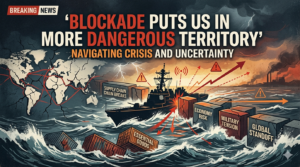
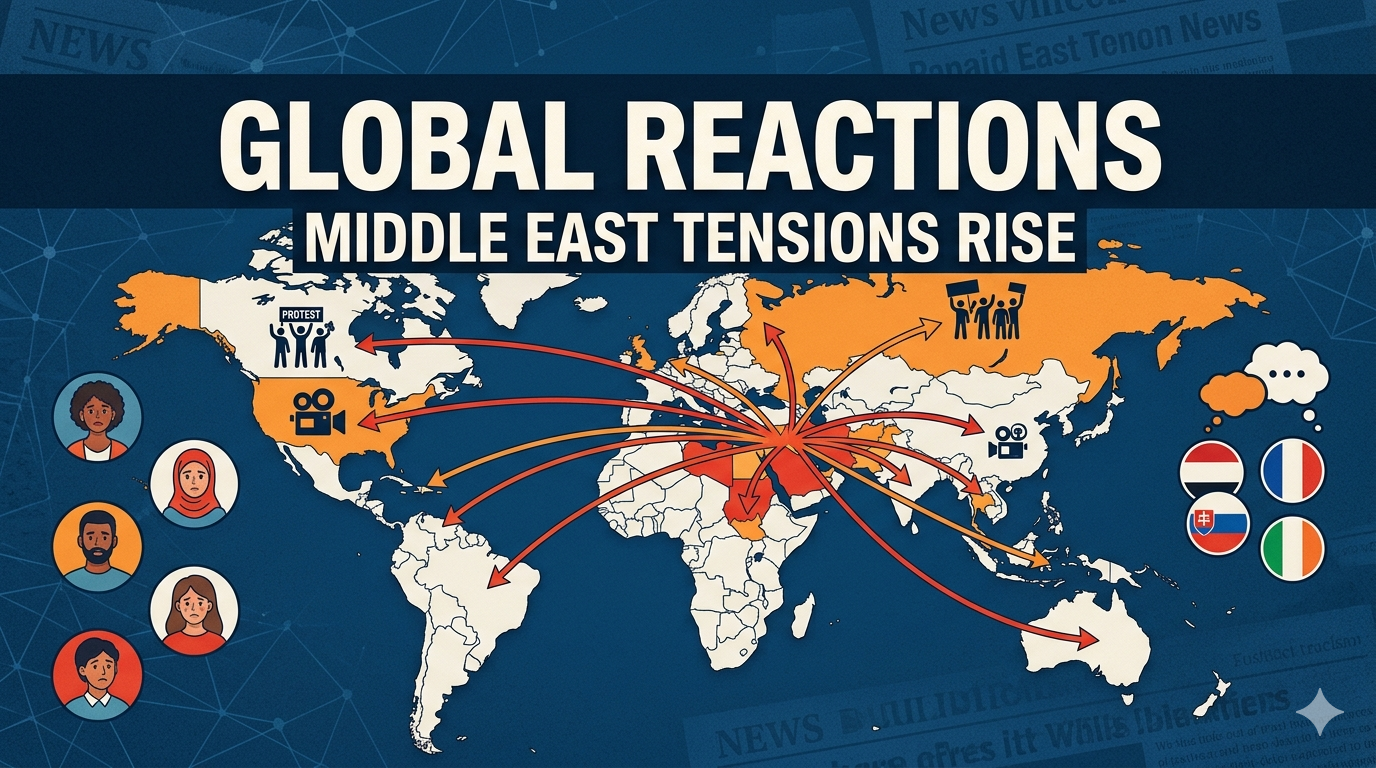
The ongoing tensions in the Middle East have drawn strong reactions from the international community, particularly following remarks by Donald Trump regarding a potential blockade of Iranian ports. The proposal has sparked widespread concern among global leaders, many of whom are calling for restraint and stability in a region critical to global energy supplies.
One of the strongest responses came from Spain, where Defence Minister Margarita Robles openly criticized the idea. She stated that such a move “makes no sense,” emphasizing that escalating tensions would only worsen the already fragile geopolitical situation. Spain’s stance reflects a broader European concern about the consequences of disrupting key maritime routes.
China has also weighed in, urging all parties to exercise calm and restraint. As one of the world’s largest importers of energy, China stressed that keeping the Strait of Hormuz open is in the shared interest of the international community. The waterway is one of the most vital shipping lanes globally, handling a significant portion of the world’s oil supply.
Similarly, the Association of Southeast Asian Nations has called for the full and effective implementation of a ceasefire. The regional bloc, consisting of 11 Southeast Asian nations, highlighted the importance of ensuring maritime security and maintaining freedom of navigation and overflight. Many ASEAN countries rely heavily on Middle Eastern energy exports, making stability in the region essential for their economies.
In Europe, Emmanuel Macron has taken a proactive approach. He announced that France, in collaboration with the United Kingdom, will organize a conference in the coming days. The aim of the meeting is to restore freedom of navigation in the Strait of Hormuz and to promote diplomatic solutions to the crisis.
Meanwhile, UK Prime Minister Keir Starmer clarified Britain’s position, stating that the UK does not support a blockade. His comments signal a clear preference for de-escalation and maintaining international trade routes without military interference.
Overall, the global response highlights a shared priority: avoiding further escalation while safeguarding critical economic interests. With the Strait of Hormuz playing a central role in global energy distribution, any disruption could have far-reaching consequences. As diplomatic efforts intensify, the international community appears united in its call for dialogue, stability, and the protection of vital maritime pathways.