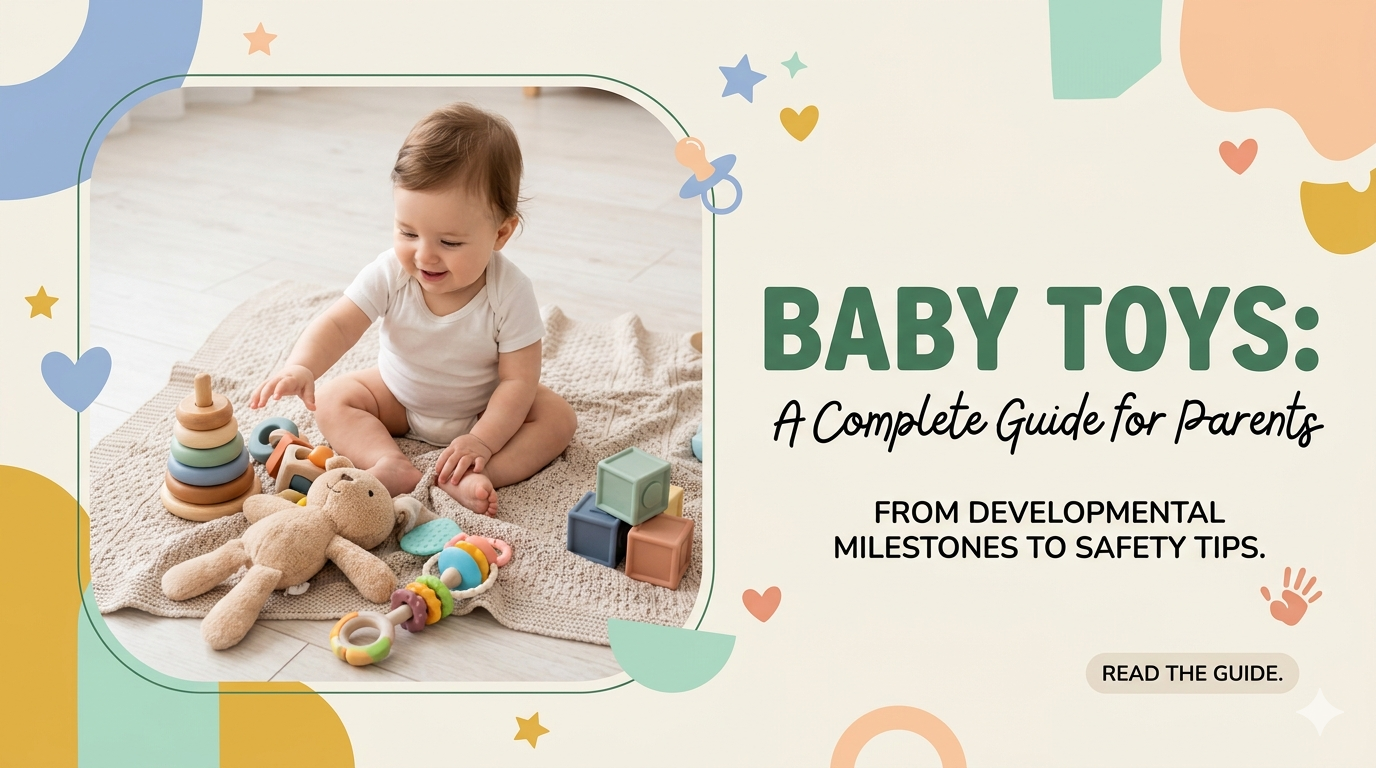
Baby Toys: A Complete Guide for Parents
Choosing the right baby toys is essential for your child’s growth, safety, and happiness. From newborns to toddlers, the right toys can stimulate the senses, improve motor skills, and encourage early learning. In this guide, we’ll explore everything you need to know about selecting the best baby toys for your little one.
Why Baby Toys Are Important
Baby toys are much more than simple playthings—they are essential tools that support a child’s early growth and development. During the first few years of life, a baby’s brain develops rapidly, and the experiences they have during this time shape their learning abilities, behavior, and skills. The right baby toys provide stimulation, encourage curiosity, and help babies understand the world around them in a fun and engaging way.
One of the key benefits of baby toys is that they promote sensory development. Babies learn through their senses—touch, sight, sound, taste, and movement. Toys with different textures, colors, and sounds allow babies to explore and react to new sensations. This kind of interaction strengthens neural connections in the brain, which are important for learning and memory.
In addition to sensory development, baby toys also play a major role in improving motor skills. When babies reach for, grasp, shake, or move toys, they are developing both fine and gross motor skills. These actions help strengthen muscles, improve hand-eye coordination, and build physical confidence. Over time, simple activities like holding a toy or pressing a button become the foundation for more complex movements such as crawling, standing, and walking.
Cognitive development is another important area where baby toys make a big impact. Toys that involve problem-solving, cause-and-effect, or simple challenges encourage babies to think and learn. For example, when a baby presses a button and hears a sound, they begin to understand how actions lead to outcomes. This early learning builds the foundation for reasoning and decision-making skills later in life.
For example:
- Soft rattles help improve grip and sound recognition
- Colorful toys stimulate visual development
- Musical toys encourage listening skills
Moreover, baby toys can also support emotional and social development. Playing with toys can provide comfort and help babies feel secure, especially when they have a favorite toy. Interactive toys or playing with parents using toys also strengthens bonding and teaches babies about communication and social interaction.
Using the right baby toys regularly can support both mental and physical development in early childhood. By choosing safe, age-appropriate, and engaging toys, parents can create a nurturing environment that encourages learning, exploration, and healthy growth.
Types of Baby Toys
1. Sensory Baby Toys
Sensory baby toys are designed to stimulate touch, sight, and sound. These include textured balls, soft plush toys, and light-up toys. They are especially useful for newborns and infants.
2. Educational Baby Toys
Educational baby toys introduce basic concepts like numbers, shapes, and colors. These toys are ideal for slightly older babies who are beginning to recognize patterns.
3. Teething Toys
Teething can be uncomfortable, and specially designed baby toys can help soothe sore gums. Look for BPA-free and soft materials for safety.
How to Choose the Best Baby Toys
When selecting baby toys, safety and age-appropriateness should be your top priorities.
Safety First
Always check for:
- Non-toxic materials
- No small detachable parts
- Smooth edges
Age-Appropriate Selection
Different stages require different baby toys:
- 0–6 months: Soft and sensory toys
- 6–12 months: Interactive and musical toys
- 1+ years: Learning and activity toys
Choosing the right baby toys ensures your child stays engaged while learning new skills.
Benefits of Baby Toys
Using baby toys regularly provides several advantages:
- Improves hand-eye coordination
- Encourages creativity
- Builds early problem-solving skills
- Strengthens parent-child bonding
Parents who invest in quality baby toys often notice faster developmental progress in their children.
Tips for Parents
Here are some useful tips when buying baby toys:
- Rotate toys to keep your baby interested
- Clean toys regularly for hygiene
- Avoid electronic toys with excessive noise
- Choose simple toys that encourage imagination
Remember, the best baby toys are those that are safe, engaging, and suitable for your child’s age.
Conclusion
Selecting the right baby toys can make a big difference in your child’s early development. From sensory stimulation to educational benefits, the right toys help babies grow, learn, and have fun at the same time. These toys encourage curiosity, allowing babies to explore textures, sounds, and colors while building essential motor and cognitive skills.
As your baby develops, different types of baby toys will support new milestones—such as grasping, crawling, and problem-solving. Simple toys like rattles and stacking blocks can strengthen hand-eye coordination, while interactive toys can boost memory and early thinking abilities. Even playtime with parents using baby toys helps build emotional connections and improves communication skills.
Always prioritize safety and quality when choosing baby toys, ensuring they are made from non-toxic materials and designed for your baby’s age group. It’s also important to keep toys clean and regularly check for any damage. By choosing thoughtfully and engaging with your child during playtime, you can turn everyday moments into valuable learning experiences.
In the end, baby toys are not just tools for entertainment—they are essential for nurturing creativity, confidence, and healthy development. Enjoy watching your child explore the world through play, grow with each new experience, and discover the joy that the right baby toys can bring.