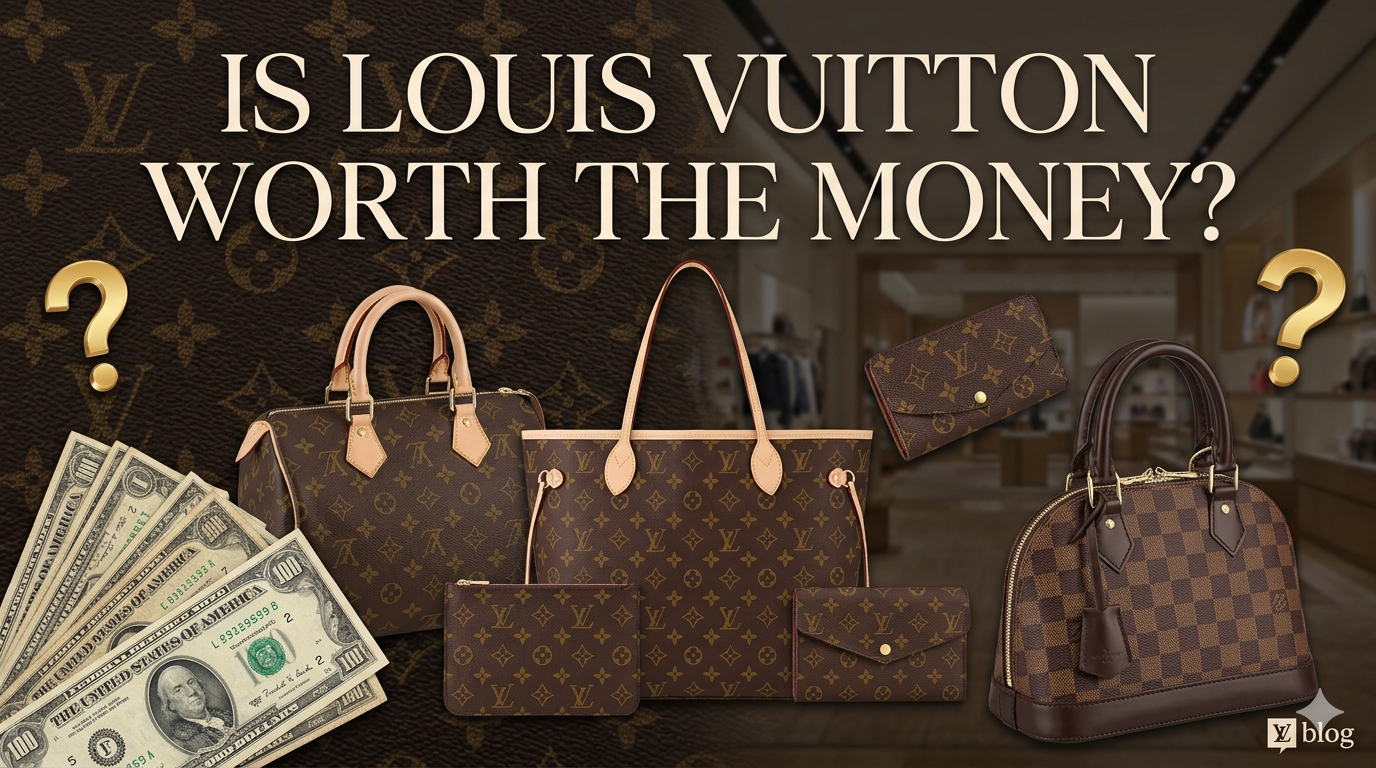
Is Louis Vuitton Worth the Money?
When it comes to luxury fashion, few brands carry the prestige and recognition of Louis Vuitton. Known for its iconic monogram, premium craftsmanship, and high price tags, many people wonder: Is Louis Vuitton really worth the money?
The answer isn’t simple—it depends on your priorities, lifestyle, and expectations. In this article, we’ll break down the key factors that determine whether Louis Vuitton products justify their price.
1. Brand Heritage and Prestige
Founded in 1854, Louis Vuitton has built a legacy rooted in luxury travel goods and high fashion. Owning a Louis Vuitton item is not just about functionality—it’s about status, history, and exclusivity.
The brand is also part of LVMH, the world’s largest luxury conglomerate, which ensures strict quality standards and global prestige.
For many buyers, the value lies in the brand name itself. Carrying a Louis Vuitton bag often signals sophistication and success.
2. Quality and Craftsmanship
One of the strongest arguments in favor of Louis Vuitton is its craftsmanship. Most products are made using:
- High-quality coated canvas or premium leather
- Precision stitching
- Durable hardware
Unlike many fast-fashion brands, Louis Vuitton items are designed to last for years—even decades—with proper care.
However, it’s important to note that not all materials are leather. The famous monogram canvas is coated fabric, which is durable but less expensive to produce than full leather.
3. Price vs. Value
Louis Vuitton products are undeniably expensive. A handbag can cost anywhere from $1,000 to $5,000 or more.
So what are you really paying for?
- Brand reputation
- Design and exclusivity
- Longevity
- Customer experience
From a purely functional standpoint, you can find bags that perform similarly at a fraction of the price. But luxury purchases are rarely just about function—they’re about emotional and social value.
4. Resale Value
One major advantage of Louis Vuitton products is their strong resale market. Popular styles like the Neverfull or Speedy often retain a significant portion of their value.
In some cases, limited editions or discontinued pieces can even appreciate over time.
This makes Louis Vuitton a more “investment-friendly” luxury brand compared to others that depreciate quickly.
5. Timeless Design
Louis Vuitton designs are known for being classic rather than trendy. The iconic monogram and simple silhouettes rarely go out of style.
This timeless appeal means you can use the same bag for years without it looking outdated, increasing its overall value.
6. Downsides to Consider
Despite its advantages, Louis Vuitton isn’t perfect. Here are some drawbacks:
- High cost may not match practical value
- Widespread popularity reduces exclusivity
- Canvas material may feel less “luxurious” than leather
- Price increases over time
For some buyers, these factors make the brand feel overpriced.
7. Is It Worth It for You?
Louis Vuitton is worth the money if you value:
- Brand prestige and recognition
- Long-lasting products
- Strong resale potential
- Timeless fashion
However, it may not be worth it if you’re looking for:
- Pure functionality at a lower price
- Unique or niche designs
- Full leather luxury at similar prices
Final Verdict
So, is Louis Vuitton worth the money?
Yes—if you see luxury as an experience and long-term investment.
No—if you’re focused only on practicality and cost-efficiency.
Ultimately, buying from Louis Vuitton is less about necessity and more about personal satisfaction, style, and status. If those matter to you, then the price tag may very well be justified.